
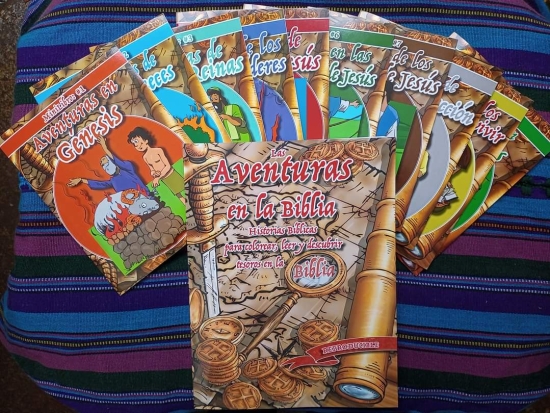
Since 2021 our Adventures in the Bible stories have been helping churches and ministries teach Bible stories and principles to children across the Spanish-speaking world and in more than 30 countries. About 2 years ago we printed 2,000 of the teachers’ version of the Adventures in the Bible which contains over 160 stories and Bible …
Adventures in the Bible in English!
Since 2021 our Adventures in the Bible stories have been helping churches and ministries teach Bible stories and principles to children across the Spanish-speaking world in more than 30 countries. With over 58,000 downloads from our website and thousands of physical copies in the hands of church and ministry leaders. We have been working on …
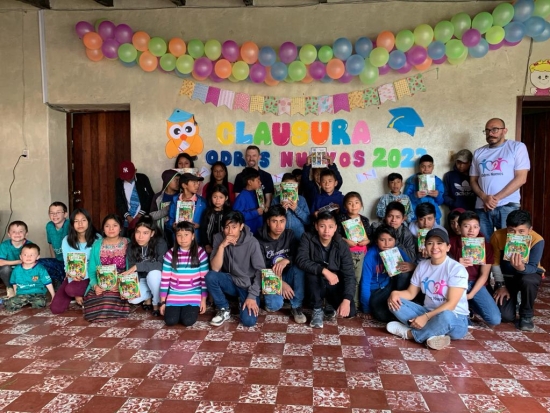
Getting the Gospel to Shoeshines and Child Vendors
About 30 minutes down the road from Chichicastenango is the departmental (think state) seat called Santa Cruz del Quiche where about 102,000 people live. In the center of town is a park where people buy and sell a variety of products. Shoeshine boys and kids selling candies ply the park and nearby streets trying to …
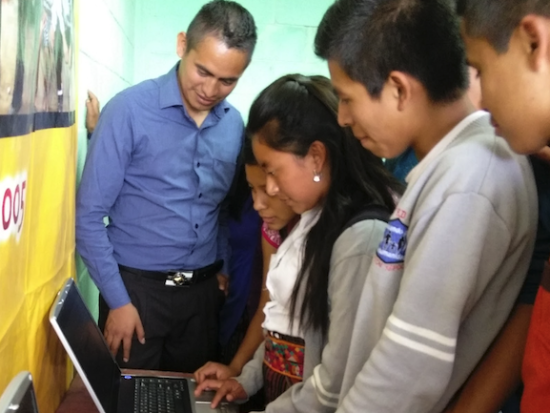
Needed: Computers for school kids
About two blocks from our house is a little blue elementary school. This school serves many of the poor children in our community and has about 75 elementary students. Even with free public education some parents here in Guatemala struggle to pay for required uniforms, school supplies and other fees that come along with the …
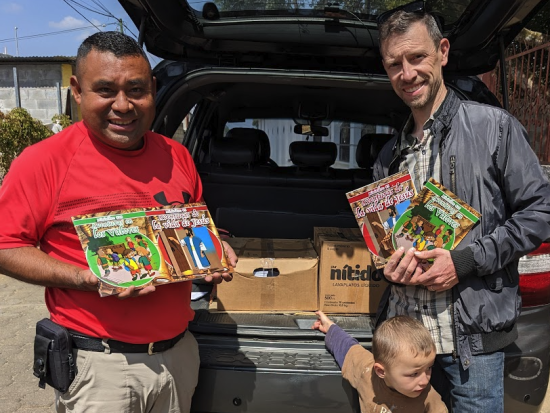
Equipping churches, ministries and families with Bible resources
As our Adventures in the Bible resources have become better known here in Guatemla, we have people contacting us and asking for copies for their churches or ministries. Some of these are with Sunday Schools, some with schools, some with ministries to kids, outreaches, churches, children’s homes or even a Christian ballet company. We print …
Equipping churches, ministries and families with Bible resourcesRead More
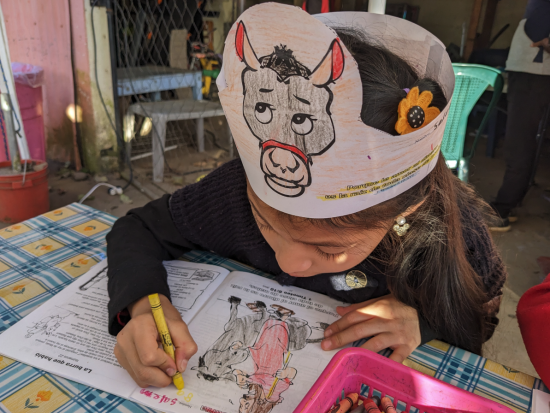
Equipping little ones to share with their families
Even a child can teach their family about Jesus. We have distributed thousands of copies of the Bible resources that we wrote to help children understand that the Bible stories mean something that is real for our lives. We want to help ministries disciple children to follow Jesus. We also want to equip ministries and …
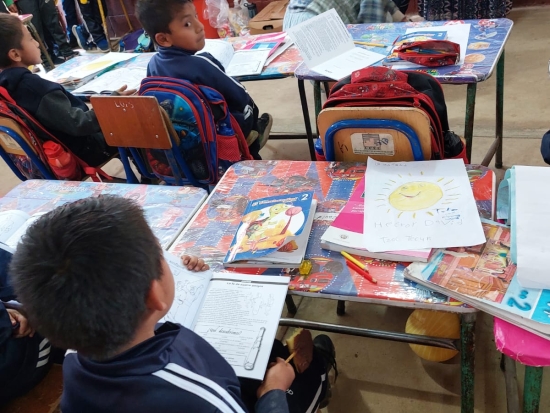
Bible values for elementary students
Values with a strong foundation of faith are values that endure. We are excited to partner with a rural church that is just outside of the town center to help take Bible-based values to a local elementary school. Guatemalan pastor Juan Peliz and his wife Evelyn have hearts to reach their neighbors with Christ. For …
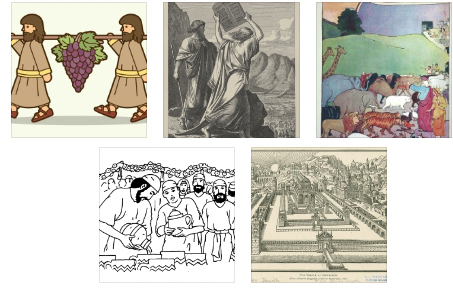
Artwork for Bible resources
The right artwork is important for any project and helps turn a text-heavy project into an attractive book, course or resource. In the process of helping a Guatemalan Bible institute with their curriculum updates, I found these resources that can help provide artwork for a variety of resources at low or no cost. I’m listing …
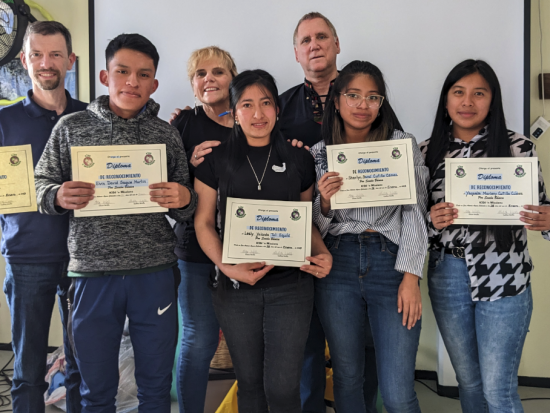
Learning with others and from others
When we found out about a seminar for children’s ministry here in Guatemala, we are excited to see that other ministries are training up children’s ministry leaders too! Michael took four children’s ministry volunteers from a church here in Chichicastenango to learn at the 4-day seminar. The seminar was about held about 2 hours away …
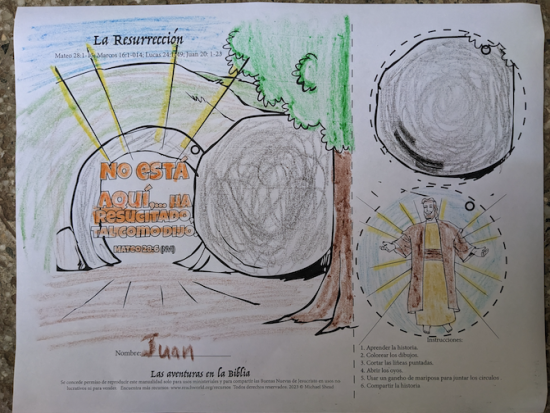
Manualidad: La Resurrección
Celebramos la resurrección de Jesucristo con este manualidad demonstrando la resurrección de Jesús de la muerte y la tumba vacia. Encuentra la historia aquí descargar la manualidad aquí.